

The Anatomy of a Good Decision
A simple, seven-step framework I’ve developed to do make the hardest decisions in life with confidence. It comes from the principles of decision science, a field I’ve spent all my research life in.
And it’s deeply personal: I’ve used it myself to make literally hundreds of life decisions—from jobs to relationships to moving to new cities.

Your fear is your superpower
My hands look steady. They place each suture where it’s supposed to go. They thankfully don’t betray me when the scrub nurse puts scissors in them.
Inside, my chest is crushed in a vice. My breathing is shallow. And my brain roils worse than a ship in the Bay of Biscay.
That day, my patient’s face wide open on the operating table in front of me, I learned to love fear, failure, and anxiety.

Unfinished business, and why your brain won’t let it go.
You feeling the holiday overwhelm yet?
Yeah. Me too.
It gets worse at the holidays, that nagging sensation that important tasks are slipping through the cracks... because your mind is so dang full of unfinished business.
The emails. The work tasks. The holiday shopping. Everything you've got to get done before the new year!
Let’s dig into the fascinating neuroscience behind this—and how to use it to hack your own mental performance

The dumbest decision I ever made (and the Nobel Prize that explains it)
I know exactly when I ruined my life.
A touch overdramatic, yeah, but stick with me, because this story — about a single moment in Singapore 27 years ago — might also explain why you’re stuck in a job you hate, why you’re still living in a city that doesn’t set your soul on fire, or why you haven’t started that business or written that book or launched that podcast.

Your brain’s already been hacked
You made six choices today that weren’t even yours. Someone else pulled the strings, and you didn’t even know it.

Why dating apps suck—and what that has to do with your why
Dating apps suck. You know it, we all know it. Today, we’re gonna talk about why they do—and what that has to do with making big life decisions.

How doctors tackle uncertainty
Learn to use the most powerful decision-making tool in the doctor’s arsenal, in just 20 minutes

Risk and its discontents
About 8 years ago, I first stepped on the American Ninja Warrior course. An obsession was born, one that lasted until a bad knee injury (and, let’s be honest, becoming more than twice as old as the most successful competitors) took me out of competition.
Getting into ninja warrior was one of the scariest things I’ve ever done. The sport pits you against obstacles that are three times your size, suspended sixteen feet above a shallow pool that’s the only safety net you have.
It was risky as heck.
And it changed my life.

Cognitive Bias #4: Loss Aversion
After I lost my 20-year-old cat, Max, a friend of mine—someone who cares deeply for me, despite how callous this next line might sound—said,
This is why I never want pets. Getting a pet always means you’re automatically signing up for grief.
In this week’s post, I explore that line—why it makes sense, why we’re so averse to loss.
And why that leads to worse decisions
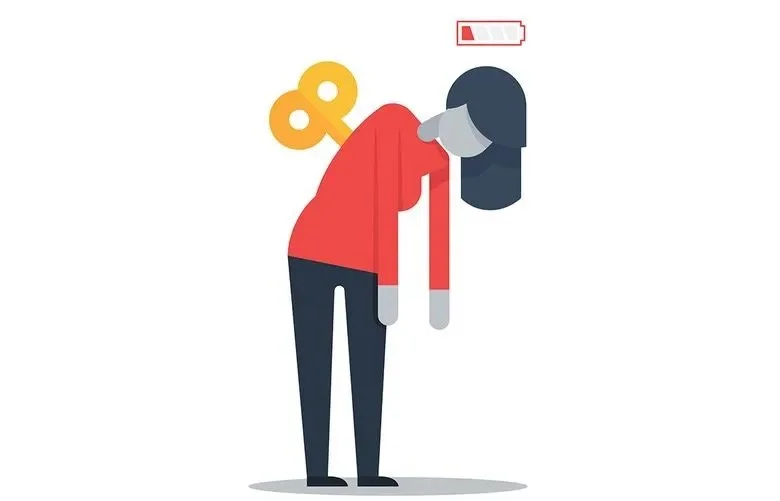
The one simple reason that decisions suck
I spent so many years thinking I was the problem, thinking that struggling to make decisions was because there was something wrong with me. I was wrong...

Cognitive biases #3: Anchoring
A few years ago, my friend Chris, a doctor, faced a lawsuit—which, well, he didn’t win. In this week’s post, we dig into why that was, how his brain sabotaged him, and how you can recognize that same sabotage in your own life.

Cognitive Biases #2: The Availability Bias
Are you always applying for (and leaving) the same jobs? Do you always date the same kinds of people, eat at the same restaurants, and find yourself stuck in patterns that don't always serve you?
It's not you; it's your brain sabotaging you. This week's post talks about how, and how to get around it.

Cognitive Biases #1: The Sunk Cost Glacier
Have you ever stayed in a job or a relationship for longer than you should have? Are you there now?
It's not you. It's your brain getting in your own way. Let's talk about how, and how to get around it.