

HEALTHCARE EXECUTIVE COACHING
Healthcare Executive Coaching in NYC for Physicians and Healthcare Leaders at a Crossroads.
You already make high-stakes decisions for patients, teams, and entire systems.
But the most consequential decisions you now face now are no longer clinical or operational; they’re personal.
When career, identity, training, finances, responsibility, and thriving all converge, all at once, the frameworks that work well for decisions at your job are just not up to the task.
That’s where healthcare executive coaching in NYC comes in. Pro-con lists aren’t enough. You need coaching that’s built for physicians, leaders, and executives in healthcare trying to navigate what comes next.
Built for Physicians and Healthcare Leaders Facing Their Own High-Stakes Decisions
You trained for decades to make hard, consequential, even life-altering decisions. And you do it well.
For your patients…
Then you reached the C-suite and you learned to do it for your clinic, your hospital, your healthcare system.
It turns out, though, that the hardest decisions aren't clinical or operational. The hardest ones are about your own trajectory. And it’s shocking—you’re entrusted to make life-and-death decisions for patients, million-dollar decisions for your healthcare system, but nobody gave you a framework for those decisions, and you’re feeling stuck.
Healthcare executive coaching grounded in decision science gives you a rigorous framework for the choices that don't fit neatly on a balance sheet, whose KPIs are way more personal than the ones you’ve been trained to evaluate.

Why Healthcare Executives Start Looking for Coaching
Each person’s story is unique. But in healthcare leadership, patterns repeat:
Maybe a reorganization put you on a path you didn't plan for.
A health event—yours or someone close to you—that upends what you thought was your timeline.
A colleague’s exit has left you wondering if you should exit too.
The recurring Sunday-evening dread has metastasized into a nightly anxiety that no amount of deep breathing is able to metabolize.
Maybe you’ve been spinning around that seemingly unanswerable question: Did I choose this, or did this choose me?
Each of these is a signal that the decisions compounding beneath your career deserve the same analytical rigor you bring to capital allocation and clinical strategy.
Coaching Options for Healthcare Executives

Get structured, independent clarity in 8 weeks
Self-Directed Course

Signature Program
Get the course + 12 weeks of group coaching + six 1:1 sessions

Ongoing, high-touch decision support
Private 1:1 Coaching
Not sure which option fits your situation? I can help you decide.
From Overextended and Uncertain—to Clear, Decisive, and in Control
Healthcare executive coaching is designed to produce very specific shifts. Quantifiable, measurable changes.
You’ll arrive carrying a vague sense of misalignment, and you’ll leave with a structured map of where you have genuine agency, an understanding of which constraints are real, and which are simply stories.
You’ll stop confusing switching costs with reasons to stay.
You’ll distinguish active commitments from accepted defaults.
And you’ll reclaim agency and your own authorship of the next decade of your life, whether that means making an 8º shift or a 180º pivot

Who This Coaching Is For
This coaching is designed for senior healthcare professionals at high levels of responsibility and compensation who are facing complex career or identity decisions.
Typical clients include:
Academic or private practice surgeons
Physician executives (CEOs, CMOs, CMIOs, and other members of the C-suites of hospitals and health systems)
High-performing department chairs and division chiefs
Physicians considering transitioning into or out of leadership roles
Clinician-leaders navigating burnout, succession decisions, or late-career inflection points
This is decision support for people whose choices carry both professional and deeply personal weight.
What It’s Like to Work with a Healthcare Executive Coach
Coaching is about more than just feeling better.
It’s about knowing what to do next—and how to do it.
Our Work Is Structured and Evidence-Based
Because you and I know… fluff doesn’t work.
Expect frameworks drawn from behavioral economics, expected-utility theory, and the empirical literature on physician burnout and executive transitions. Expect to be challenged on the premises that underpin your conclusions. Expect homework that resembles a well-designed study more than it does a simple journaling prompt or meditation exercise.
You are not coming to be soothed, to engage in talk therapy, or to find a vent session. You are coming to think more clearly than you currently have the bandwidth to think alone.
In other words: it’s clarity and forward motion!
Dr. Mark has been featured in…







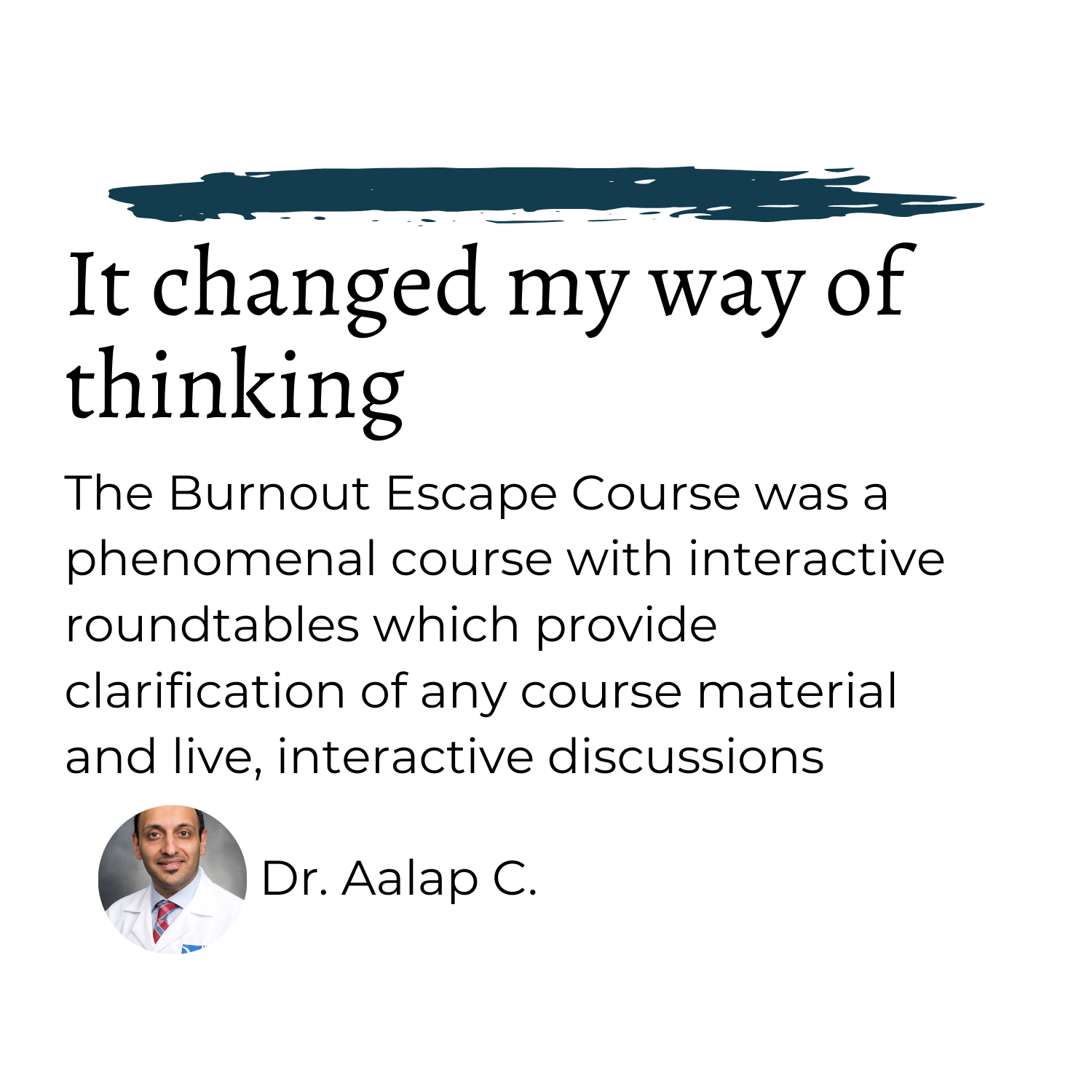
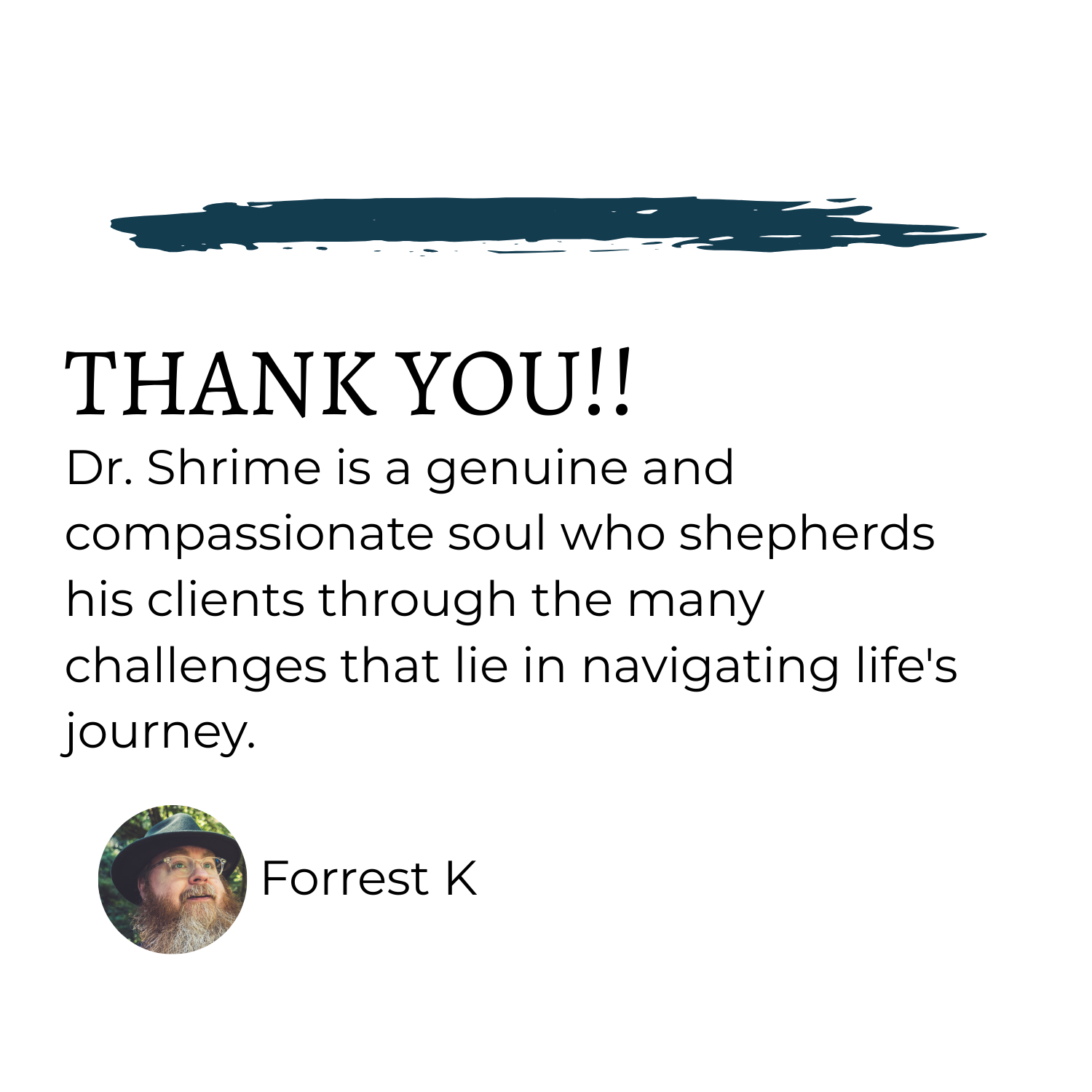
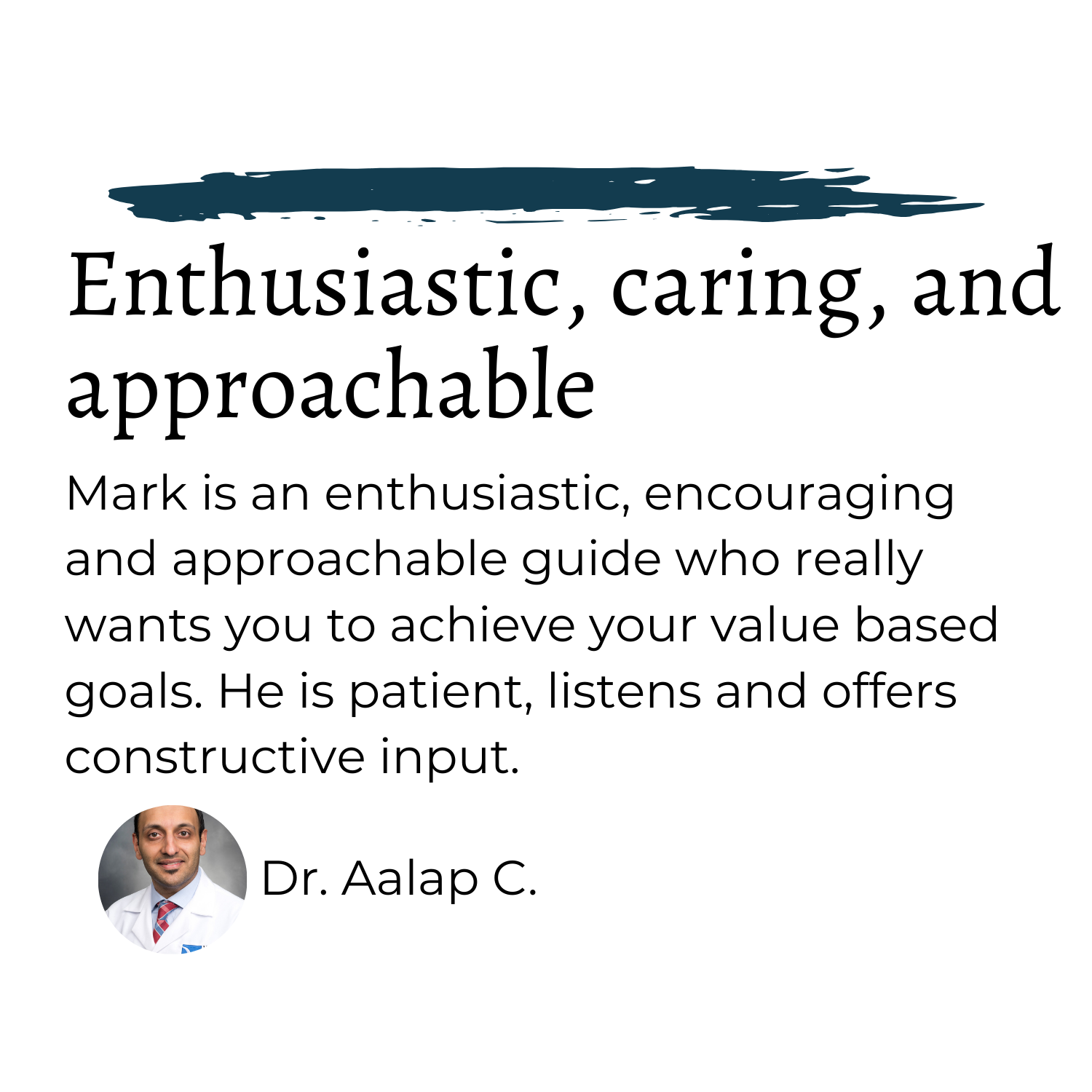
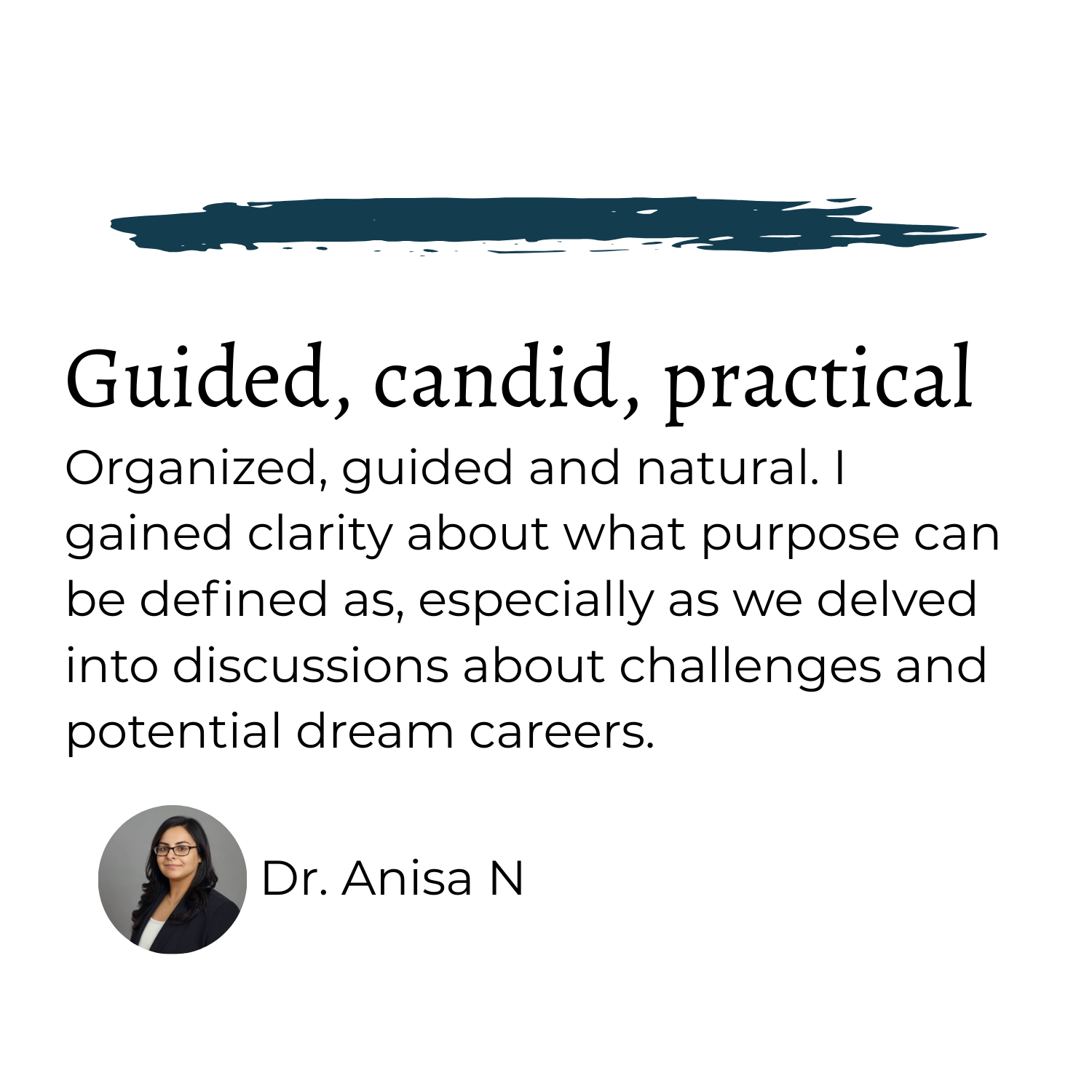
What Other Physicians and Healthcare Executives Are Saying…




Why Work With Dr. Mark Shrime as Your Personal Development Coach
Plenty of coaches can help you manage stress. Very few will help you make the hard decisions that actually realign your What with your Why
Solving for Why Coaching is different

I am a practicing surgeon, a PhD in health policy and decision science, and a researcher with over 200 peer-reviewed publications.
But what matters more than the titles is what sits behind them: I work at the intersection of career decision-making and formal decision science—the space where high-stakes choices are made under uncertainty, with incomplete information, and sometimes irreversible consequences.
In healthcare, I understand the reality we operate in: decisions are rarely clean, outcomes are rarely isolated, and the cost of being “technically right” can still be personally or professionally wrong.
I work with surgeons, physician executives, hospital leaders, attorneys, finance executives, founders, and diplomats: people who are highly capable, deeply successful, but find themselves stuck—not because they lack options, but because every option has meaningful tradeoffs that feel impossible to compare.
In other words, my work with physicians and healthcare leaders is not general executive coaching adapted for medicine.
It is structured, time-bound, and deliberately rigorous decision coaching, because that’s what’s needed for decisions that cannot be solved in the same way that clinical, operational, or logical choices can.
The goal is not to help you “feel clearer.”
The goal is to help you make decisions you can stand behind—no matter the outcome.
You don’t need someone to tell you what to do.
You need a framework that helps you decide—and a partner sharp enough to pressure-test your reasoning along the way.
“I wish every professional had the opportunity to benefit from this career coaching. ”
Frequently Asked Questions
-
Personal development coaching is focused on the person behind the performance. Therapy often looks backward to heal and process. Executive coaching tends to focus on role effectiveness. This work sits in the middle and sometimes beyond both. It’s for people who are functioning at a high level but recognize that success alone is not resolving the internal questions. The focus is forward-looking: clarity, alignment, decision-making, and building a life that actually fits who you are becoming, not just who you have been.
-
Stressful seasons usually have a clear source and a clear end point. What brings people here is different. It’s the sense that things are objectively fine, but internally misaligned. You might be successful but second-guessing decisions that used to feel automatic. Or you are making progress but feeling less anchored, not more. If the questions are not resolving with time, productivity, or achievement, that is usually the signal.
-
Career coaching is primarily about what you do. It focuses on roles, transitions, advancement, and making strategic moves in your professional life. Personal growth or development coaching starts one layer deeper. It looks at how you are making those decisions in the first place. It incorporates all the domains in your life—career, personal, family, and so on.
For high achievers, the challenge is rarely lack of opportunity. It is clarity, alignment, and confidence in what actually fits long term. This work helps you understand the patterns driving your choices so your career decisions stop feeling reactive or uncertain and start feeling grounded and intentional.
-
The noise reduces. That’s the first thing people notice: the constant internal commentary about life just gets…quieter.
Clients often describe it as fewer looping thoughts and less urgency to solve everything immediately. Decisions start to feel more contained, even if they are still difficult. There is usually a shift from “What is the right answer?” to “What is the honest answer for me right now?”
-
Not necessarily. Some people do make significant changes.
Others do not change their external life at all but experience a major internal realignment in how they relate to it. The work is not about forcing movement. It is about removing distortion so that if change is needed, it becomes obvious. And if it is not, that also becomes clear.
-
Not at all. It is designed for high-achieving individuals across all professions who find themselves navigating complex decisions, identity shifts, and career or life transitions.
-
Big decisions show up everywhere. Consider a personal development coach when those big decisions feel heavier than they should.
That may be career paths that no longer feel clean, or relationships where you’re constantly wondering if you should stay or go.
It could also show up in success that feels slightly disconnected from meaning.
The common thread is not dysfunction. It is high-functioning uncertainty that does not resolve on its own.
-
There is structure, but it is not rigid. Most sessions follow what is most alive and unresolved rather than a fixed script. The structure comes from consistent frameworks for clarifying decisions, surfacing patterns, and testing assumptions. The conversation is direct, but not rushed.
The goal is actionable clarity.
-
People usually describe better decision confidence, fewer internal conflicts about direction, and a clearer sense of what they are actually optimizing for in their life. It is less about becoming a different person and more about removing the static that was distorting what they already knew, but were not fully acting on.